By a very large majority the European Parliament has adopted the Unfair Trading Practices Directive within the agri-food supply chain. Farm Europe commends the work done during this term by the European Commission and the European Parliament, in particular at the instigation of Paolo De Castro and Mairead McGuinness, who played a key role in raising the level of ambition of the initial text. This directive will be the main step forward for the agricultural and agri-food sector during this term of office – alongside the Omnibus which has made it possible to update the CAP.
The Directive will apply to anyone involved in the food supply chain with a turnover of up to 350 million euros and differentiated levels of protection provided below this threshold. The new rules will apply to retailers, food processors, wholesalers, cooperatives or producer organizations or a single producer who engages in any of the identified unfair trading practices.
Prohibited UTPs – initially limited only to perishable products (payment after 60 days) – have been extended to cover: late payments for perishable food products (payment after 30 days); cancellations of last minute orders; unilateral or retroactive contract amendments; forcing the supplier to pay for wasted products and refusing written contracts. Other practices will only be permitted if they are subject to a clear and unambiguous prior agreement: a buyer returning unsold food products to a supplier; a buyer charging a supplier to guarantee or maintain a food supply agreement; a paying provider for a promotional, advertising or marketing campaign of a buyer.
Member States will be able to extend the scope of the Directive into national law, in particular by adopting a threshold of more than EUR 350 million or take additional measures if they wish so. It will be up to them to designate the authorities responsible for enforcing the new rules, including their ability to impose fines and initiate investigations on the basis of complaints. Confidentiality may be requested by the parties filing a complaint to address concerns about possible retaliation.
The Commission will put in place a coordination mechanism between the supervisory authorities to enable the exchange of good practice.
The agreement also includes a review clause set at 4 years. The provisions of the legislative text will therefore have to be assessed and possibly revised during the next term of Parliament.
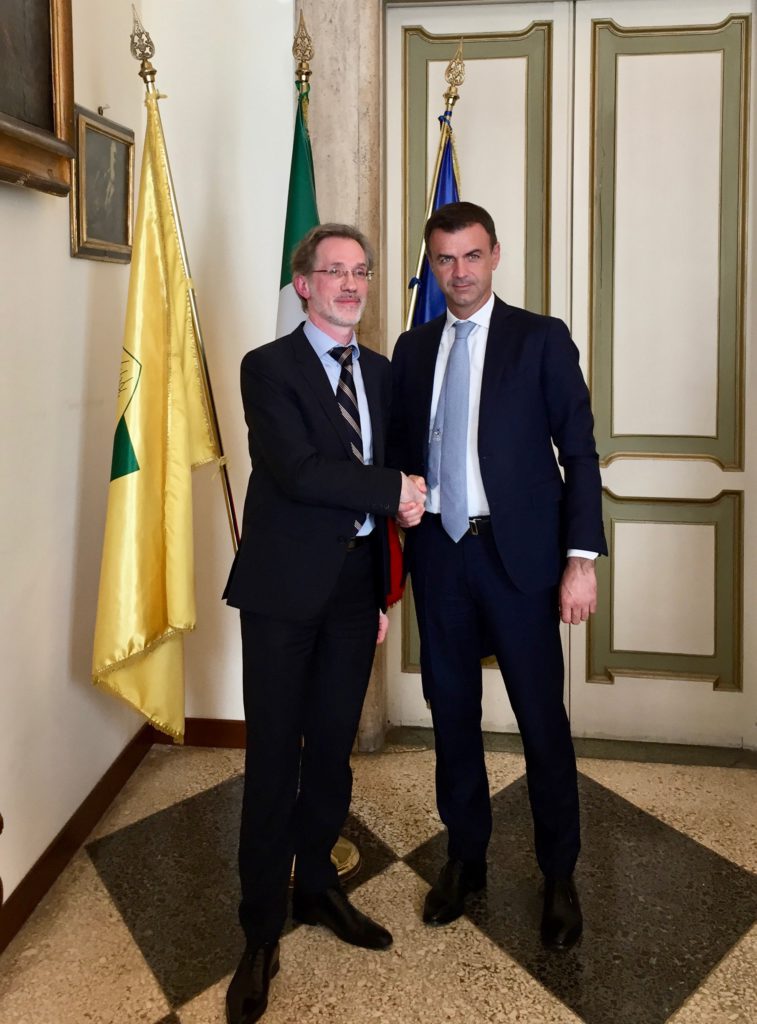 Coldiretti, the largest representative organisation of Italian farmers, decided to join Farm Europe as of 1st April 2019. Farm Europe welcomes this decision which will strengthen the capacity of the think tank to develop forward looking policy paths for the future of EU food systems.