The Global Food Forum: Defining the Future of our Agriculture

PRESS RELEASE2016_1014_GFForum_140_low
 Pavia, Italy – 16 October 2016

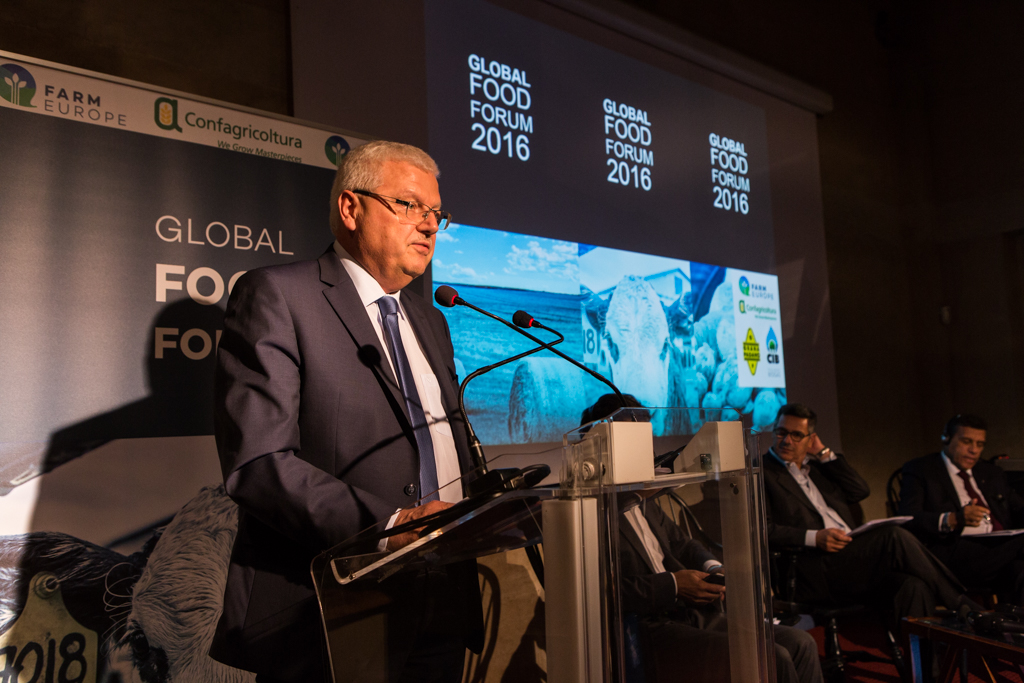
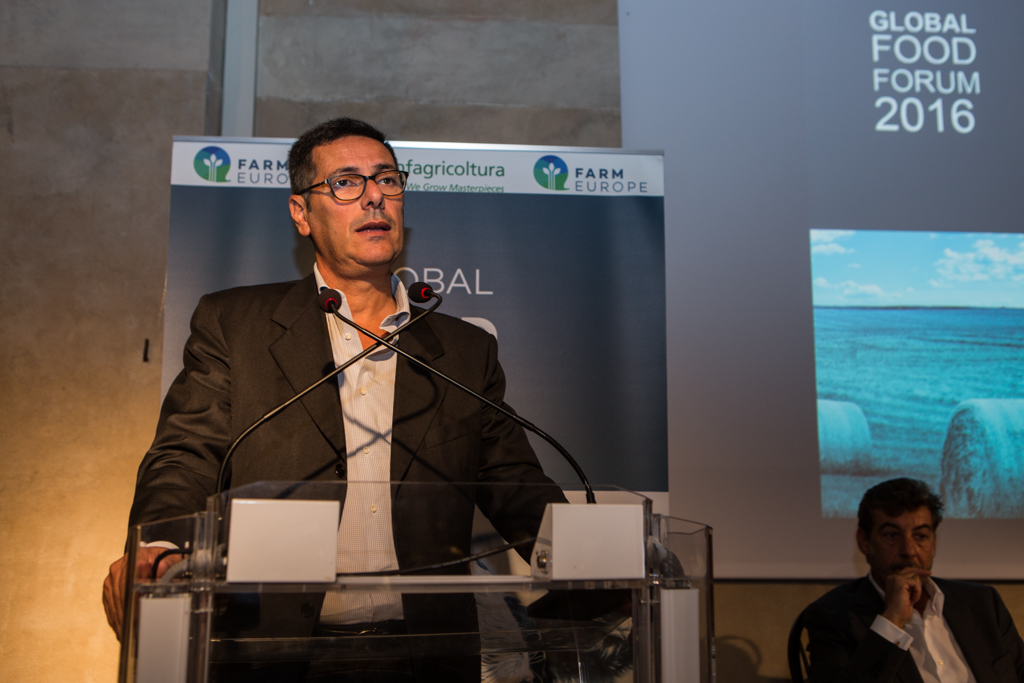
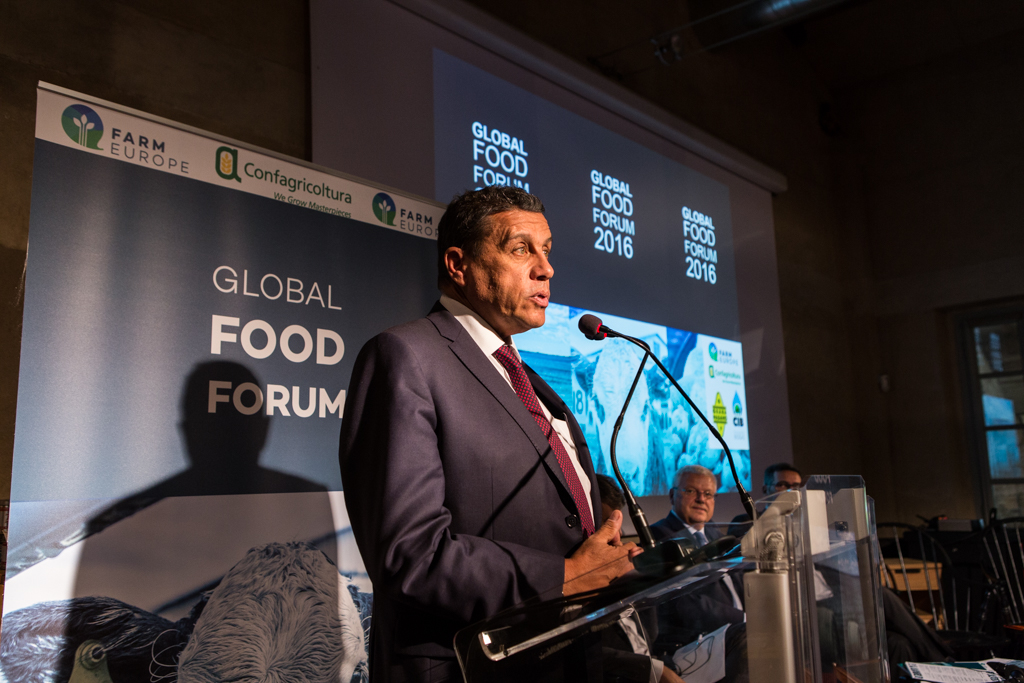
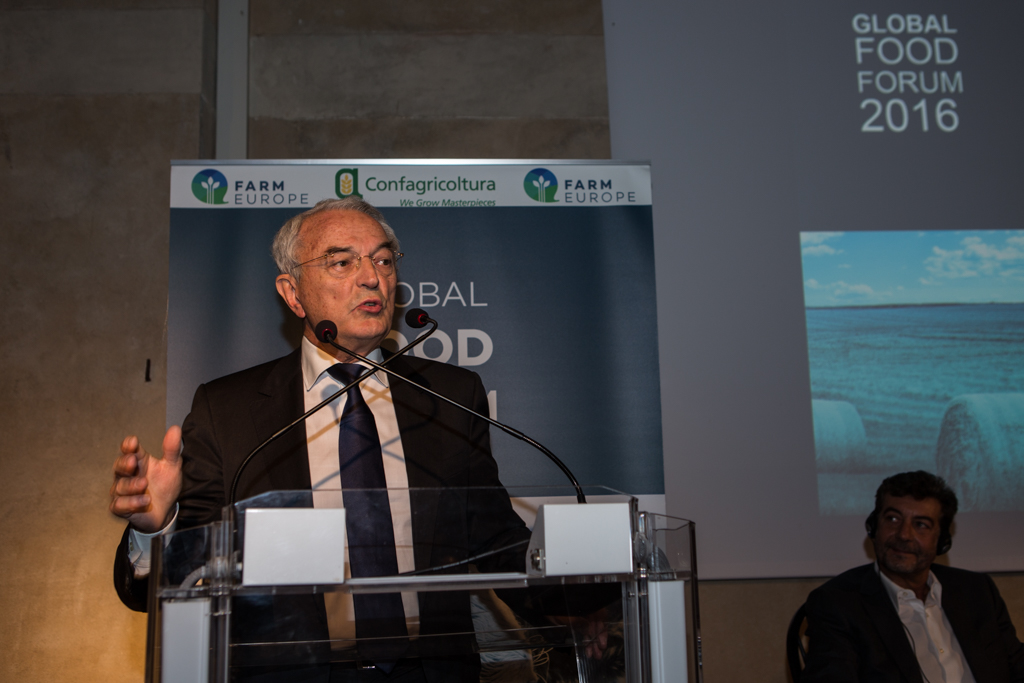
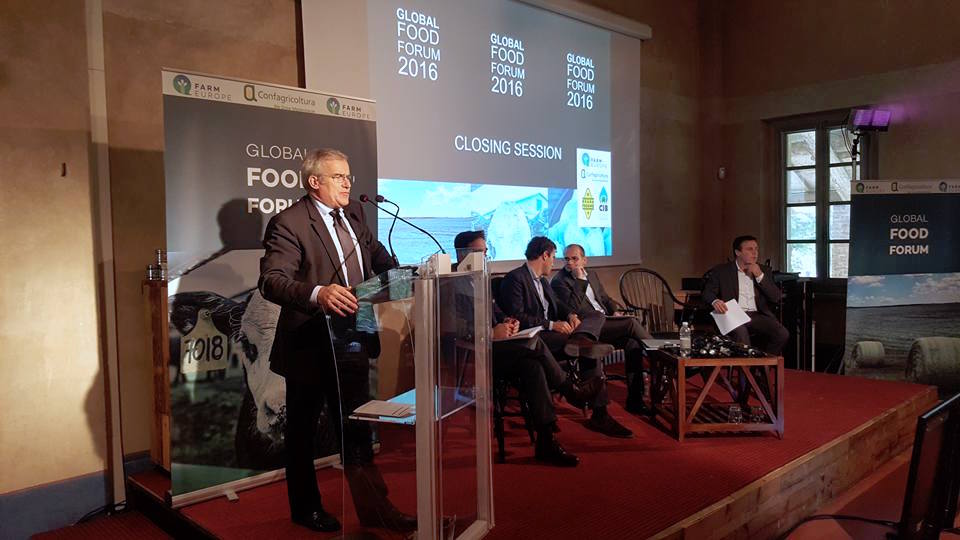
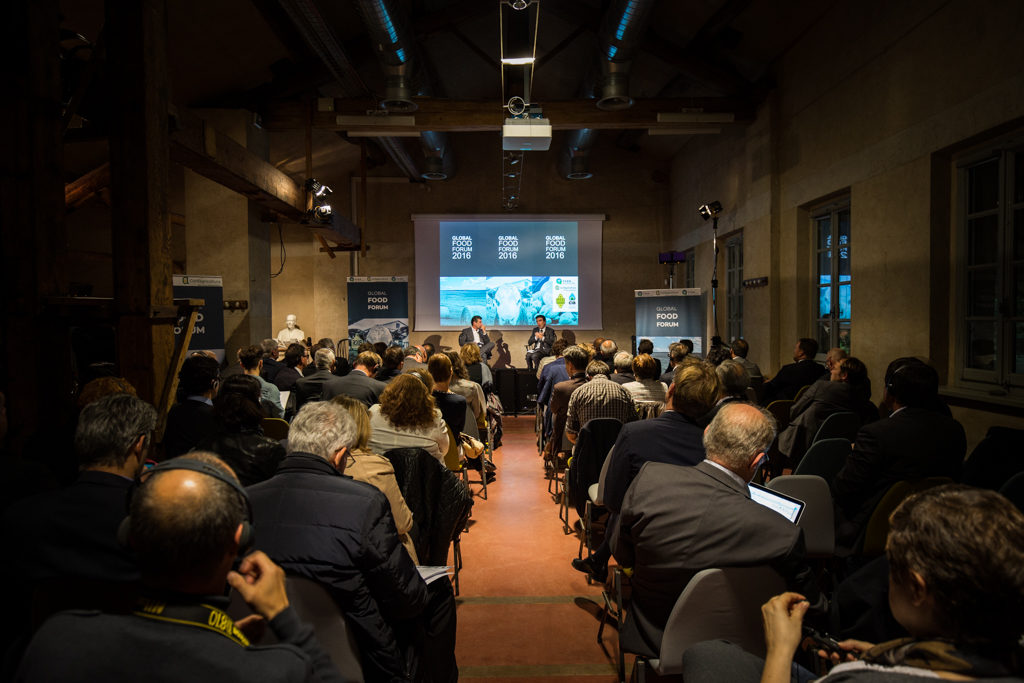
This weekend, more than 200 representatives from 18 different EU Member States participated in the Global Food Forum, which took place on a farm close to Pavia (Italy).

Economic leaders, representatives of EU institutions and governments reflected, together, on the future challenges and the need of a renewed vision for the agricultural sector based on economic ambition, trust and mutual confidence, and a better use of natural resources thanks to the potential of new techniques that are beneficial for both citizens and farmers.

“Time has come for the European Union to discover again its agriculture and its farmers, not only
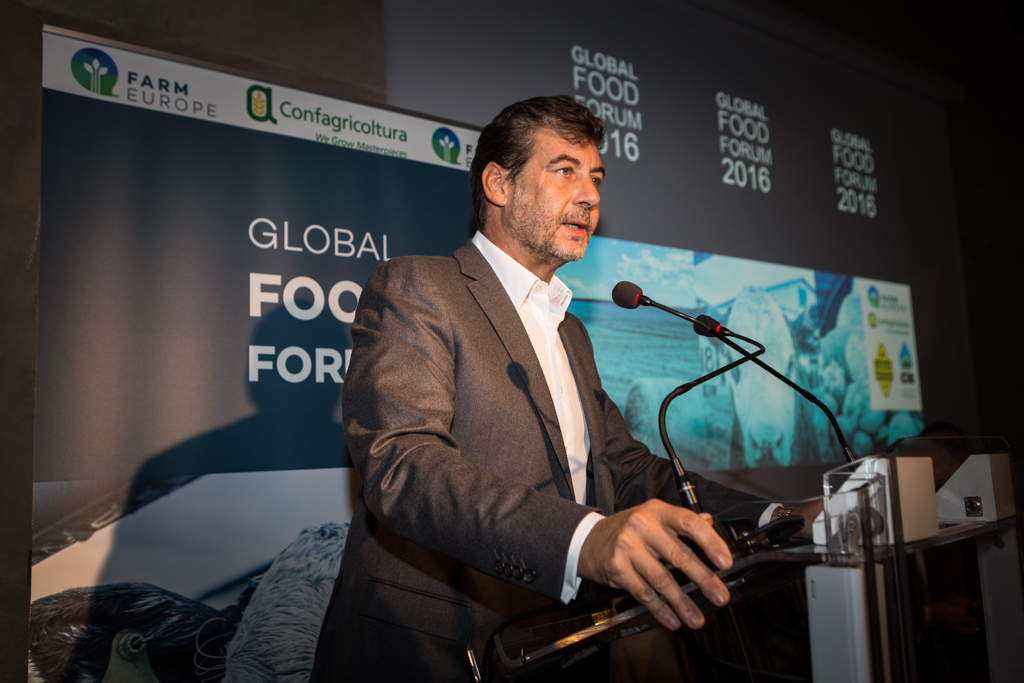
sending a cheque when political pressure is too high, but also reflecting carefully on the best ways to use public spending. Time has come to table a real economic strategy for EU agriculture and food systems. In doing so we will restore confidence, regain optimism and build future growth. Agriculture needs visibility, predictability and transparency”, stated Mario Guidi, the President of the Global Food Forum and of Confagricoltura, opening the event (full speech here).

1)    Economic sustainability : focusing on investments

The ambition of keeping a dynamic agri-food industry all across the EU should be transformed into a new ambition. Over the past 10 years, the productivity of the EU agricultural sector decreased by more than 10%. Europe must not limit its actions to a set of initiatives aiming at accompanying a slowing down of its farming sector. Neither should it accept to limit its ambition to an agriculture of conservation in the most fragile areas. On the contrary, the European policy framework should focus on launching dynamic and targeted economic strategies to revive investments all across the EU food chain. The economic dimension of the Common Agricultural Policy should be renewed.

2)    Risk managements tools : focusing on farmers

The new strategy should integrate that agriculture will face growing climate and market disturbances in the futureRisk management tools will therefore be necessary to achieve the resilience of the large range of EU agriculture models. This will not be obtained through a single tool at European level, but through a choice of complementary tools, placing farmers at the core of the decisions according to their specific situation and needs. Detailed recommendations on how to improve the resilience of the farming sector have been developed during the Forum.

3)    Environmental sustainability: focusing on results

Technological advancements in the agricultural sector create new opportunities for environmental and sustainability policies at the European level. The EU institutions can seize the enormous potential of innovations to build simple and effective policies and reduce the amount of bureaucratic procedures for farmers. The European Union can shift from a prescriptive policy to a real result-based policy that would be complementary with the current greening criteria and based on the will of the farmers themselves (producers could opt for the existing policies or a result-based approach). This new option for the greening requirement would be founded on quantifiable objectives that are adjusted to the knowledge and technical capacities of farmers.

4)    Finding a new deal across the food chain actors

The lack of solidarity is undermining the capacity of the food chain to cope with the challenges of globalisation and investments. The new deal should first reaffirm the prominence of the CAP over general competition rules. This principle should also be applied by national competition authorities. Transparency should be improved, including when it comes to price and volumes at 1st processing level and final consumer level. Contract relations should be encouraged on the basis of clearer rules, allowing collective contract negotiations at Producer organisation level or by Groups of Producer Organisations. In order to encourage cooperation among farmers and food producers, a branch approach for volumes and price negotiation should be explicitly authorised to guarantee a better repartition of the value when prices are both going up or down. These approaches should be seen baring in mind that the relevant markets for the main agricultural products are more often at European scale than national or regional one.  When it comes to Unfair Commercial Practices, a clear set of practices should be prohibited, with clear and dissuasive sanction mechanisms, fully securing the identity of the complainants.

5)    Nutrition and health : strengthening trust and securing the internal market

The European food chain is facing the challenge of finding a harmonious and positive relationship between diet and health. To do this, a number of obstacles must be overcome: a clear and joint strategy on the part of all the actors of the food chain (agriculture, industry, trade) should be defined, the credibility of EFSA as a the pole of excellence and reference of EU legislator should be strengthened, the scientific consensus has to be improved to avoid confusion among consumers and the law should be based on real and credible scientific evidence, not assumptions. In addition, dialogue with Civil Society should be encouraged in order to build a new consensus and go beyond ideological positions. The lack of debate between public and private actors around the issue food and health is unacceptable. This challenge must be tackled seriously, at EU level in order to build trust among the actors and define a real European vision and solutions.

6)    Brexit and trade

Most of the EU countries have substantial trade interests in the UK market when it comes to the agri-food sector. Whatever the result of the EU/UK negotiations, both the internal policy shift in the UK and diverging trade strategies between the EU and UK will lead to medium and long term changes for the EU agri-food sector. This should not be underestimated, even more following the clear commitment of the new British leaders to create the biggest open economy in the world. This strategy will make it difficult to achieve a full free trade agreement between the EU and the UK without any safeguards. The common line for the challenges of Brexit and freer trade is enhanced competition for the EU-27 agri-food sector across the board and a very daunting challenge notably to the beef  sector. When it comes to the overall EU trade agenda, Brexit may be the occasion to review the way that mandates for negotiations are given to the European Commission, and relaunch the EU trade policy on a new governance, more transparent and thus more acceptable to civil society.


For journalists, available upon request at info@farm-europe.eu :

  • High level definition pictures of the Global Food Forum 
  • All the reports and recommandations from the workshops 
2016_1014_GFForum_030_low

2016_1014_GFForum_040_low

2016_1014_GFForum_048_low

2016_1014_GFForum_049_low

2016_1014_GFForum_056_low
14610930_1087999947903548_5743835184883358886_n


Drawing together the future of EU agri-food systems

The Global Food Forum will take place on 14 and 15 October, on a farm close to Milan (Italy).

Organised by the think tank Farm Europe in partnership with Confagricoltura, the event will gather more than 200 top representatives from the European institutions, national administrations, farmers’ organisations, companies and experts, who are coming from all across the EU and are willing to reflect together on the future of European agriculture and food policies.

At a time where both EU agri-food systems and the European political project are shaken by market, diplomatic and structural crises, the Forum will be an opportunity to build a positive, forward-looking and ambitous vision of the future in a truly European spirit.

« The agri-food sector is at the crossroads between huge opportunities and massive pressure. The Forum will offer the possibility to passionate business and political leaders, who believe in the European project, to developp a common vision. Citizens’ expectations, breakthrough technologies and changing consumption patterns are driving a revolution within EU agri-food systems. The best ways to strenghten the European Union is to make sure that our policies, at European level, match the real challenges faced by citizens, farmers and all economic actors on the ground. This is the ambition of the recommendations that will be designed during the GFF2016 on the future of the Common Agricultural Policy and beyond », stated Mario Guidi, the President of the Global Food Forum and Confagricoltura.

During the participatory process, the participants will work on the most pressing issues for the future of the sector : How to keep our agriculture all across the EU? How to improve the resilience of agriculture, and cope better with climate and market risks? How to build truly European policies to improve nutrition and health? How to rebalance the power along the EU food chain? What will be the impact of Brexit on the EU agri-food sectors?

The participants will be invited to reflect and build recommendations together. These recommandations will be presented to all the European institutions, including during an event at the European Parliament in December.

Farm Europe discussing risk management tools with Young farmers (CEJA)

CEJA young farmer representatives from around Europe have gathered together today in Brussels to discuss the topic of risk management tools and insurance. This morning, Mr. Yves Madre (Farm Europe) is presenting to CEJA young farmer representatives on Farm Europe’s view of risk management tools and insurance in the agricultural sector.

Global Food Forum: where does the future of the CAP lie?

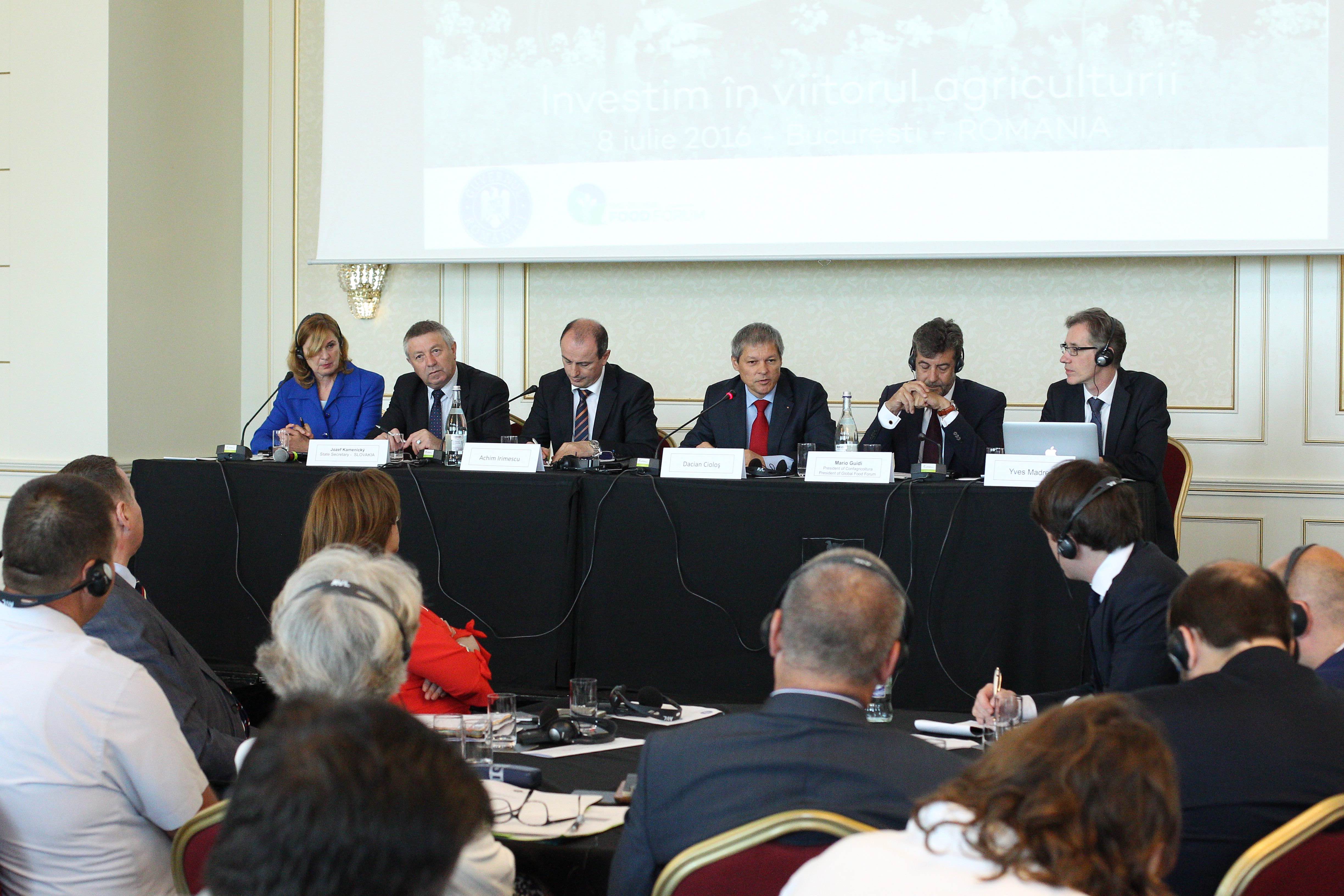
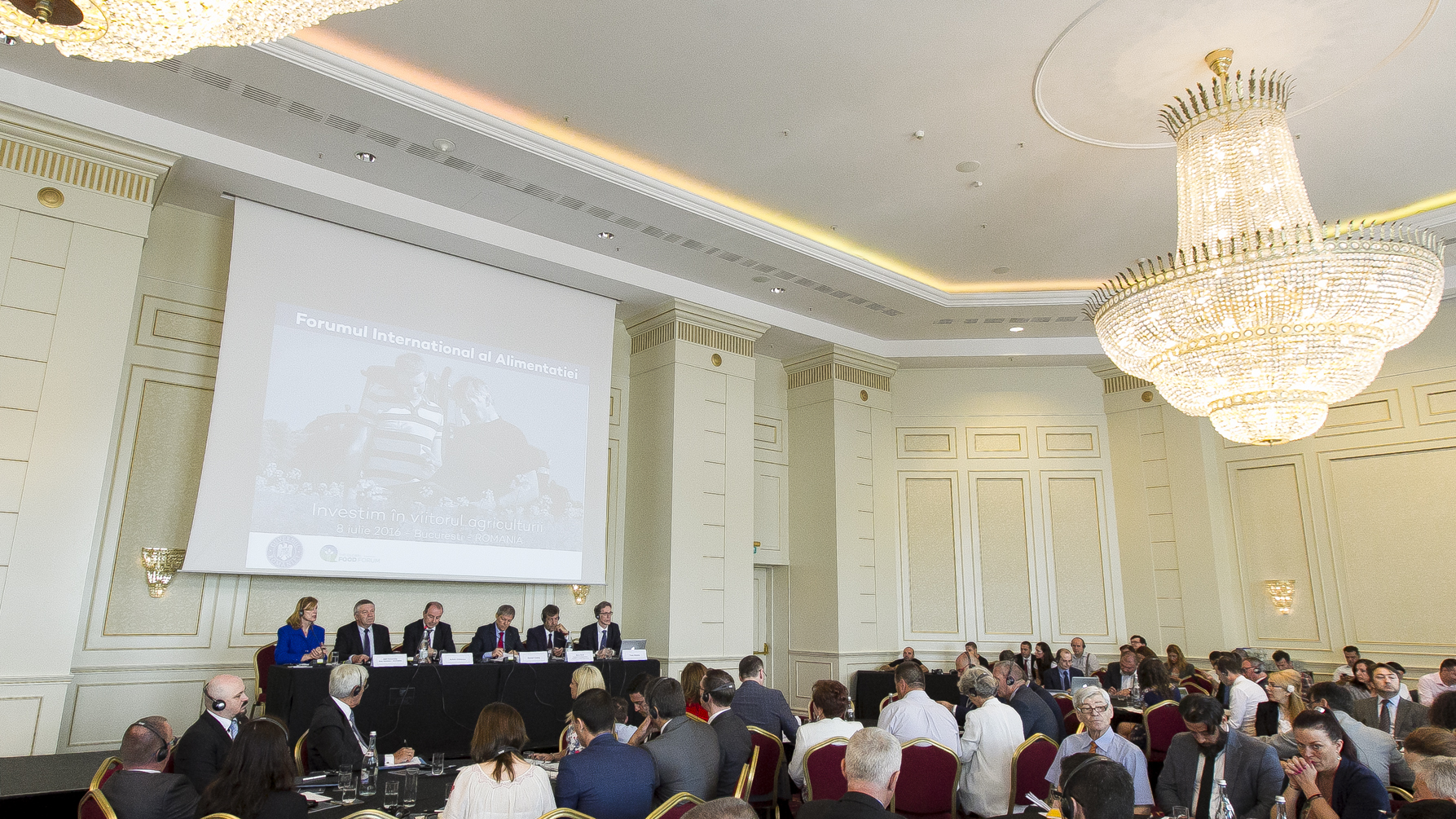
CSIS7495Bucharest – July 8th, 2016. In the wake of the Global Food Forum, which will take place on the 14-15 October 2016, Farm Europe organised, in partnership with the Ministry of Agriculture of Romania, a regional event to take stock of the most pressing concerns in the new Member States when it comes to the Common Agricultural Policy (CAP). Gathering high-level representatives from both political and business background coming from 11 EU Member States, the issue of investments has been at the core of the debate.

Opening the event, Dacian Cioloş, Prime Minister of Romania underlined: “More than ever it’s the common responsibility of all Europeans to take an active part in the debate to say what they wants from the European Union and from the Common Agricultural Policy in particular. The CAP is one of the most – if not the most – achieved European policy”. “The agri-food community has the responsibility not only to highlight the problems, but also to make informed proposals on what future policy should be”, he also added. “There is not one single Member State in Europe that is not directly interested in the future of the CAP. It’s absolutely necessary to keep common rules while taking the specificity of each of our agricultures” (Full speech available here).

Mario Guidi, President of Confagricoltura and of the Global Food Forum noted that: “We need to better explain and modernize the CAP that is uniting the European Union and contributing to growth. It’s urgent to restore confidence in the CAP which is the first and probably the most important investment policy in Europe, with tangible results for EU citizens. Working on a better and more efficient CAP, it’s improving Europe as a whole. The Global Food Forum which will take place in October will provide a unique opportunity to put ideas on the table on how to strengthen the CAP”.

Tackling price volatility to secure investments, enhancing farmers’ organization and securing access to land for local farmers, were the key issues discussed during the debates in Bucharest during 3 workshops on Competitiveness, Resilience and Sustainability (Background paper here).

Most participants highlighted that the Common Agricultural Policy is at a crossroads, in the context of the post-Brexit referendum and of the current crisis which affects most – if not all – agricultural sectors across the European Union.

Will it goes down the path of a more “à la carte” policy, diverting more and more from a Common policy or will it take up effectively the challenges of investments all across the EU offering real responses to farmers needs and legitimate expectations?

The participants unanimously called for European solutions to face European challenges, while asking for a less bureaucratic approach of sustainability, for urgent initiatives to cope with market volatility, raising the necessity for EU farmers to be better insured against climate risks and the possibility to implement cost effective tools in that respect.

Furthermore, they stressed the urgency to deliver on market risks with more efficient tools such as insurance, mutual funds or individual savings. They called as well, for strongly, less ideological positions when it comes to environmental measures and trade bilateral talks, towards which Europe must show its capacity to protect its farmers in a much better way.

Global Food Forum Roumania

Milk Crisis: Europe must act quickly

26.05.2016 – Brussels. Today, Farm Europe hosted a reflection group on the situation of the global milk market, gathering key players and high representatives on both EU and global milk markets.

The milk crisis is entering its second consecutive year, with no hope of a recovery in the short term.

Farms are disappearing daily. If nothing is done, no less than 20% of Europe’s dairy farms and tens of thousands of dependent jobs will be wiped off the map, or will be moved to areas where dairy production is already highly concentrated.

Yet, despite climate change and growing concerns about the environment, animal welfare, or the vitality of rural areas, a balanced distribution of dairy production across the whole EU remains as much a priority today as it has always been.

The Commission is the only institution that is able to represent the collective interest – by making full use of its exclusive power to propose.

Concrete EU solutions exist

An immediate, simple, and effective policy response to the crisis lies in the introduction of a truly European scheme aiming to rapidly return some stability to the dairy market.

This is feasible.

There are two possible solutions, the rules for which would need to be determined at the European scale:

  • Option 1: Building on the Article 222. This option would introduce on the basis of Article 219 of the single CMO a European obligation to target any emergency aid that is unlocked, including schemes funded with European funds and schemes set up under the state aid regime. As a result, Public funds would be exclusively targeted at dairy producers who undertake to reduce their production (relative to their 2015 level) through: a technical adjustment in their herd management, a higher culling rate, or through abandoning dairy production altogether. It would be responsibility of member states to set appropriate levels of public support, commensurate with the amount and type of reduction implemented. This option would guarantee that no public funds in the EU are channelled to producers that are not reducing their production. In other words, it would avoid unfair competition between farmers fuelled by public money. It would be necessary to set a clear reduction objective at EU level as a minimum reduction target.
  • Option 2: The organisation of a European “call for tender” via additional EU funds to encourage dairy farmers to voluntarily reduce their production volumes, and which would be open to all European producers. The latter would undertake to reduce their deliveries to dairies by a set amount relative to 2015 and for a temporary period of 6 months, receiving a sufficiently appealing rate of compensation in return. This would be a truly EU scheme, managed and financed directly by the European Commission with a clear reduction target. More than 2 billions of litters could be withdrawn from the market with less than €500 million. This option would provide higher visibility on the quantities withdrawn from the market than option 1.

Such measures – either option 1 or 2 – would be beneficial for employment across all Europe’s rural areas. They would offer far better value for money than a new and ineffective plan to distribute public money in a piecemeal way, which would be catastrophic for Europe’s image, both in the eyes of taxpayers and farmers.

This EU plan should be drawn up and announced before the summer, and implemented by the autumn.

The Commission possesses, today, all the financial and policymaking power that it requires to submit, without delay, a proposal in this area to Member States and to the European Parliament under the Single CMO Regulation.

The 2016 CAP budget can fund an ambitious and effective plan without recourse to the emergency fund.

In addition to this, the European Commission should also work on a coherent package of measures introducing EU mandatory systems, that identify the origin of the raw material, inform the consumer, and at the same time encouraging efforts made by EU producers to generate more added value.

It is also necessary to engage, in the very short term and with the EU support, in a structured response to current misleading campaigns against dairy products, underlining the importance of nutritional properties of milk products and their fundamental role in a balance diet

However, any solutions that continue to structurally maintain over-production should be excluded. As is the case with ‘public intervention’ which is not the relevant tool to cope with the current situation. These measures only serve to prop up over-production through an artificial public buyer. A fresh increase in the intervention rate would not be helpful for the moment. It would only encourage the persistence of unsustainable levels of production, and would only further delay any recovery due to the massive levels of intervention stocks it would generate.

New Normal : Sustained low agricultural prices or more volatility ?

On May 3 Farm Europe hosted a debate on how Climate Change is impacting agriculture and food systems in a world experiencing more instable and volatile markets.
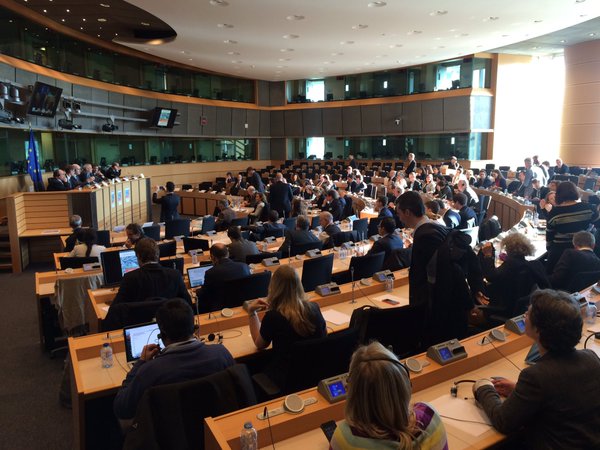
The background was an event under the Heading ”Food Chain Reaction: A Global Food Security Game” which took place Washington, D.C in November 2015, and where Farm Europe also participated. The purpose was to evaluate the effect of climate change on agriculture and food security under different future scenarios and the response by Decision makers.

Food production has become very interdependent and supply side shocks due to draught, disease, severe climate events and lately climate change contribute to a high degree of volatility on output. On the demand side political instability, population growth, economic development in emerging markets and advanced economies, change in dietary habits and financial problems are key factors. The result is increased volatility with consequent effect on agricultural prices, producer’s income and consumer prices leading to political and social unrest.

To quote Joe Stone from our event 3 of May (Corporate Senior Vice president in Cargill-one of the Sponsors of the event in D.C.) : “ The exercise did not disappoint. The scenarios dramatically showed the ways in which climate change and human mobility can combine to exacerbate food insecurity and truly threaten political stability”.

Joost Korte Deputy Director General in DG AGRI also participated. One thing he said struck me. DG AGRI was concerned about the possibility that the very low markets prices for both crops and animals products we have seen for the last couple of years may be a more permanent feature. This in a way is in contrast to the assumption in the Food Chain Reaction scenario of much higher volatility and price spikes.

To my mind that begs the question: Are the low agricultural prices the “The new normal” and not increased volatility?

The question is whether the consequences of the financial crisis erupted in 2008 with the subsequent “Great Recession” has now caught up with agriculture leading to a new normal.

The prolonged recession in the EU and subsequent morose economic growth in the Eurozone, very low inflation in the US, Japan and the EU, quantitative easing (QE) by the FED, BoJ (Japan), BoE (UK) and the ECB and lately introducing negative interest rates attempting, although with meager success, to stimulate economic growth, are all factors which reflect the lack of demand or a worldwide savings glut with too little investment in spite of easy money.

Too that has been added the dramatic fall in oil prices curtailing income of oil producing countries in the Middle East, Russia and Venezuela to finance amongst others their food imports. The fall in raw material prices reflecting the slower growth in China has impacted raw material exporting developing countries like Brazil, South Africa, Chile, Peru and many others.

The financial sector involved with these countries is suffering as a consequence leading to a more restrictive lending policy by banks. The new normal in general economic terms is thus a period of low growth/stagnation, low inflation/deflationary tendencies in Japan and the Eurozone and high sovereign and private debt world wide.

Raw material prices are historically linked to the state of the economy. When prices are low that reflects low growth/ demand and vice versa. Some economists suggest that we have entered the era of “secular stagnation” i.e. permanent lower growth compared to the past. Reasons like ageing population, lower productivity growth, saturation of demand in developed countries and lack of major technological breakthroughs are advanced. That would mean that also agriculture will suffer from sustained lower (real) prices.

On the other side in favor of the increased volatility scenario is obviously climate change which already is having an impact on agriculture with the more extreme weather conditions. Demand will be supported by China and neighboring countries which continue to grow and the Chinese population will not peak before it reaches 1.4 Billion people with consequent increased demand for food as well as changes in more animal protein rich diets and demand for animal feeding stuffs. At some stage India’s population will exceed Chinas and is becoming the new powerhouse with economic growth rates exceeding China’s. Although Africa’s population is expected to show the strongest growth of all, lack of purchasing power will restraint increase in demand.

Risk of volatility must be judged in relation to the situation on supply and demand where cereals are the main factor and a proxy for protein as well. On the demand side a stable and inelastic increase is to be foreseen. Consequently it is the supply side of cereals that is the key factor in the equation.

As a rule of thumb cereal stocks should represent minimum 18 % of consumption in order to avoid prices going up. According to the latest (5/5/2016) FAO Cereal Supply and Demand Brief :“the ratio of global cereal stock-to-utilization would fall only marginally, from 24.9 percent in the current season to 23.4 percent in 2016/17” (see Annex). Present stocks are consequently abundant which explains the very low cereal prices.

Past history shows however that the equation is easily disturbed if harvest fails in one or more important parts of the world. In particular if it happens in the main cereal producing and exporting countries this can have an immediate effect on prices.

A further contribution to the discussion is provided by the “THE OECD-FAO AGRICULTURAL OUTLOOK 2015-2024 (OECD/FAO 2015) which has analyzed the evolution of prices prior to the 2007 price spike and the subsequent evolution since and into the future: They come to the following conclusion:

Even though real prices are projected to decline, this does not preclude the likelihood that prices will experience bouts of volatility, including upward price spikes, in the next ten years” (p. 49).

Further :

Indeed, the previous two marketing years were characterized by above average yields, which drove prices down to their current levels. Returning to more normal yields will decrease world supply of all major crops in the upcoming marketing seasons and as a result prices should rise” (p.50).

So there are arguments in favor of both lower long term real agricultural prices as well as risk of more volatility. It is not either/or nor mutually exclusive.

For European agriculture this is a rather worrying message given the serious income problem in particular for farmers involved in animal production.

Certainly cereals and proteins as animal feeding stuffs represent one of the most important costs of animal production. Low prices on feed grains and protein help. Equally low oil prices which is another production cost factor by direct energy use and indirectly on the cost of fertilizers. However the net result is still negative with the low market prices not providing a profit to cover not only the variable costs but also the fixed costs and remuneration to the farmer and his help.

If thus both low real prices and increased volatility is the” New Normal” the consequences could be dire.

Low prices will result in many farmers (small and older) leaving agriculture even quicker and accelerating the structural change towards fewer and larger farms with negative effect on the so-called territorial balance and disfavored areas. Permanent lower animal production might also be the consequence affecting self-sufficiency ratios and exports.

Higher price volatility affects all farmers but mostly the bigger farmers with high turnover and high levels of debt underlining the need for increased risk management tools both at farmer as well at the level of the CAP.

We need to find an appropriate policy response with as many instruments as targets.


Climate Change and Market Volatility: A global overview of Policy Actions to build resilient food systems 

IMG_3730Today, Farm Europe hosted a debate on how Climate Change is impacting agriculture and food systems in a world experiencing more instable and volatile markets.

Food production has become very interdependent and supply side shocks due to draught, disease, severe climate events and lately climate change contribute to a high degree of volatility on output. On the demand side political instability, population growth, economic development in emerging markets and advanced economies, change in dietary habits and financial problems are key factors. The result is increased volatility with consequent effect on agricultural prices, producer’s income and consumer prices leading to political and social unrest.

What is our response? And, specifically, how main worldwide agricultural regions and notably Europe should respond to one of the most crucial challenges that the world will face in the coming decades? 

This one, alongside other key questions about how it will be possible to establish a sustainable agricultural and food systems were thoroughly addressed by panelists and participants.

Farm Europe’s event started with the presentation of a very innovative study on the ”Food Chain Reaction: A Global Food Security Game” which, in November 2015, gathered 65 thought leaders and policy makers from several countries in Washington, D.C. This project, to which Farm Europe had the pleasure to participate, revealed the different approaches toward agri-food systems at global level in the context of Climate Change, through a simulation of a real global food crisis caused by population growth, rapid urbanisation, extreme weather, and political turmoil. The exercise put the issue of food security at the forefront of a global conversation and teams were able to see firsthand via the simulation what the future of food security could look like in an increasingly volatile world.

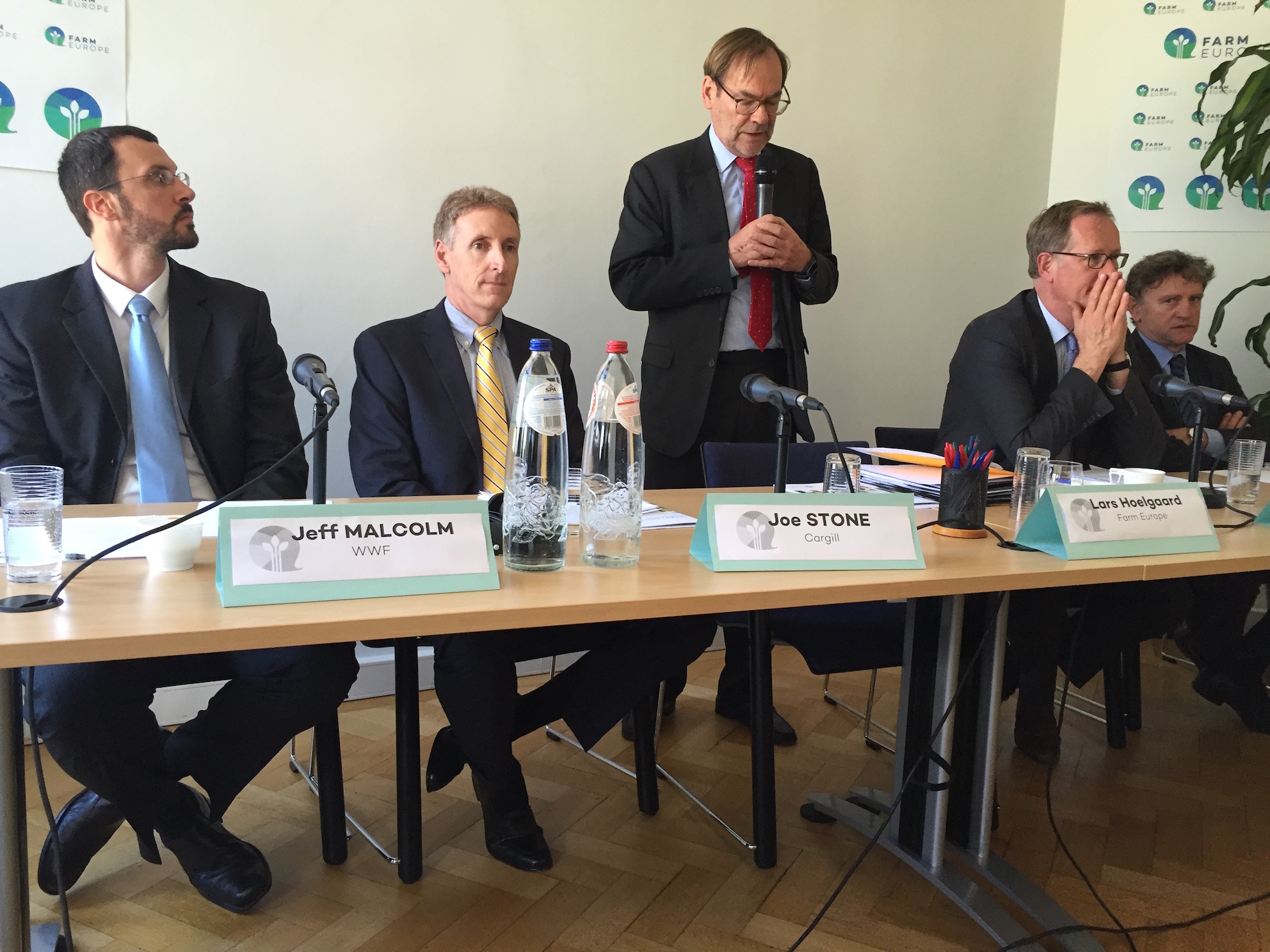
Farm Europe’s discussion was then opened and fuelled by Farm Europe’s Senior Fellow Lars Hoelgaard, alongside with Patrice de Laurens from the French Ministry of Agriculture, Joost Korte, DDG at the European Commission, Joe Stone, President at Cargill Animal Nutrition and Jeff Malcolm, Director at WWF – sponsor of the Global Food Security Game.

Overall, from panelists’ comments two clear concepts came out:

  1. At the end of the day, in this volatile context, Climate change and Food security challenges are common. Accordingly, decision makers have to build ambitious policy answers, not independently, but in a collaborative way, by taking into account political and economic interconnections in a ever more globalised world.
  2. There is no single solution, no “silver bullet”. The key lesson is that these issues need to be addressed in an integrated manner across all sector

Beyond the Crisis: Paving the way for the sustainable growth of EU agri-food systems

Since 2006, when farm incomes in Europe and in the United States were still balanced, the US has managed to double its farmers’ incomes, while the EU has experienced stagnation and even a slight decrease across the same period.

This analysis of the evolution of farmers’ incomes on both sides of the Atlantic was presented today at the European Parliament during the launch event of Farm Europe’s Global Food Forum (GFF) initiative (full report available here).

The key objective of the GFF – which will be a set of regional events and a main forum will take take place in Italy (14-15 October 2016) – will be to go beyond current pessimism, with the ambition of tabling proposals for an EU policy better oriented towards job creation and sustainable growth. The recommendations will be presented to decision-makers at the end of the year on the basis of the participatory process animated by Farm Europe.

“The agri-food sector is at the crossroads between huge opportunities and massive pressure. Every single decision needs to be informed by a wide range of factors where citizen expectations, breakthrough technologies and consumption patterns are only the tip of the iceberg”, said Mario Guidi, President of Confagricultura and of the GFF2016, adding: “the Global Food Forum will gather passionate business and political leaders willing to work in a European spirit, to share insights on their vision as well as on possible pathways for future developments to enhance both economic performance and environmental sustainability”.

FarmEurope EP2

Hosting the debate, MEP Michel Dantin said:

“As one of the architects of the previous reform of the CAP, I believe that we did not go far enough, and I welcome Farm Europe’s initiative to engage a pro-active and constructive thinking process on the future CAP. The current CAP remains stuck in a political vision and principles from 1992, ie almost 30 years ago. I am now convinced that the CAP unfortunately no longer meets the ambitions that the European Union must have for its agriculture and agri-food sectors. We have a duty to give birth to an environment that allows these industries to express their potential for growth and employment”.

Opening the debate, Commissioner for Agriculture and Rural Development, Phil Hogan underlined that “it’s not easy to look beyond the here and now, but we must. In looking at the CAP beyond the crisis, we should look at the role that the policy can play in the growth of the European agri-food sector as well as the role that the policy can play in the delivery of the political priorities of this Commission. (…) With the right combination of policy and communication, I believe that we can secure the place of the Common Agricultural Policy as a policy that is central to the delivery of sustainable growth in the EU, today and tomorrow”.

Yves Madre (Farm Europe) presented the key questions to be discussed during the Forum, which will be structured around 3 key pillars: resilience, sustainability and investments. Do European farmers compete on a level playing field? Do we need further adaptations of the CAP in order to boost investments and better structure the food chain? Are decoupled payments still the right policy response to cope with volatility? Is there a scope to increase the efficiency of the greening of the CAP, for example, transforming it into an objective based policy?

These were some of the questions raised in the opening the panel discussion with Mario Guidi, President of Confagricoltura, Markus Neundörfer, Director at Südzucker, Xavier Beulin, President of FNSEA and Paolo De Castro, MEP.

Xavier Beulin underlined that “the equation is simple: no visibility, no confidence; no confidence, no investments; no investments, no future. I believe in the European project, but I want a better Europe that should not be frozen into excessive legalism sometime and other times failing in building a proper internal market with common rules on social, fiscal and environmental aspects. A single farm payment per hectare and a coercive greening – this does not make a Common Agricultural Policy. We need a strong partnership between Europe and its farmers. The farmers are the first group interested in both developing sustainable agricultural practices and generating sustainable growth”.

Mario Guidi stated: The crisis we are facing today shows how CAP needs to be rethought to adapt its instruments to the current world economy, and to respond to the sustainable development path. Production capacity for our business requires radically new instruments allowing farmers to tackle the challenges of competitiveness, volatility and sustainability. We are ready to start a deep and courageous discussion to explore if direct payments as designed today are really shaped to make our sector a competitive one, key for the EU economic growth. Among the elements we need to improve a special place has to be given to the risk management instruments. This and much more could be achieved only if driven by the idea that we need more Europe: a common agricultural market is far from being a reality and we are committed to work in this sense.

Markus Neundörfer underlined the importance of single market as a major strength for the European economy. « However, there are more and more national diverging approaches such as in labelling and health rules, or interpretation of competition rules, not mentioning the flexibilities given to Member States in crisis management or in terms of coupled payments ».

Paolo de Castro concluded the panel discussion saying: “The CAP needs a mid-term review in order to achieve less bureaucracy and to strengthen the capacity of the European Union to react collectively to market crisis preventing the pitfall of renationalisation. Volatility is here to stay and we need a much more ambitious CAP to bring concrete solution for European farmers”.


So, what does the Paris Agreement mean for European agriculture?


The Agreement in Paris on Climate Change concluded on 12/12/2015 seeks to limit global temperature increases to less than 2 degrees, and to pursue efforts to achieve 1.5 degrees through binding commitments to cut greenhouse gas emissions.

It is up to the individual countries that ratify the Agreement to implement the commitments on a national basis. For the EU that means sticking to the commitments as presented by the EU to COP 21 in the so-called Intended Nationally Determined Contribution (INDC). This now becomes a Nationally Determined Contribution (NDC) as a result of the agreement in Paris. There the EU has committed itself to a further reduction of EU Greenhouse Gas (GHG) emissions) by at least 40% by 2030 in comparison with 1990, and by 80-95% by 2050.

Commission Communication on Paris Agreement follow-up

In its Communication of the 2/3/2016 the Commission has laid out the follow-up to Paris. Implementation by all parties to the Agreement is crucial for success.

The Communication goes through the different areas for the EU in order to implement the Agreement underlining the need to continue to take the lead and maintain momentum. The Communication stresses the significant investments, innovation, changes in practices that are necessary with the consequent fundamental changes in the EU economic model and structure. Energy production, consumption, energy efficiency and renewables are key elements in this process. In this respect the Commission stresses the importance the regular 5 year Review clauses. An idea suggested by the EU, where Contracting Parties will be subject to examination of their progress in meeting emission reduction commitments based on common accounting and transparency provisions still to be defined. It provides a dynamic mechanism to take stock and strengthen ambition over time. Starting from 2023, Parties will come together every five years in a “global stocktake” to consider progress in emissions reductions, adaptation and support provided and received in view of the long-term goals of the Agreement.

The Ministers of Environment discussed the Communication on the 4/3/2016. Some Member States thought the Communication was not ambitious enough in light of the switch to the maximum 1.5 ° increase in global temperature. Several ministers urged an earlier stock-take to be ready for a special UN report in 2018 to get on track for net zero emissions in the second half of the century.This would mean quicker emission reductions. Other Member States warned against with the present ambitions based on the Council conclusions from October 2014 as already very demanding.

In the Communication the Commission confirms that the legislative Proposals on the Emission Trading Scheme (ETS) from July 2015 will be followed up by proposals also covering agriculture.

So what does the Paris Agreement mean for European agriculture?

The Paris Agreement does not as such have specific commitments relating to agriculture. It does however refer to agriculture indirectly as stated in the Preamble: “Recognizing the fundamental priority of safeguarding food security and ending hunger, and the particular vulnerabilities of food production systems to the adverse impacts of climate change”.

How is this paragraph to be interpreted? Is agriculture to be treated lightly in relation to the reduction commitments or does this only targeting more vulnerable developing countries. For certain the farming organizations will seek to use this passage to soften the burden on agriculture.

Under EU legislation agriculture is covered by the so-called Effort Sharing Decision (ESD). Sectors under the ESD are transport, heating of buildings, non-CO2 emissions from agriculture and waste. Overall ESD emissions have to reduce emissions by 30% compared to 2005. In addition GHG emissions and carbon sequestration from Land Use, Land Use Change and Forestry (LULUCF) will be included in the CC policy for 2030.

Ireland

With the Paris Agreement as a very timely background Farm Europe organized an Event on the 14/12/2015 with the Irish Minister for Agriculture Simon Coveney. The minister outlined how Irish agricultural policy already to-day is very active in undertaking mitigation and adaptation efforts in relation GHG emissions from agricultural activity and from LULUCF. The focus is to be the most Climate Smart Agriculture (CSA) as possible which in Irish terms translates into having the lowest GHG emissions per unit of production/output. Research efforts, based on a significant 4 Billion € budget, and education of farmers are undertaken with this objective in mind already delivering positive results. At the same time Ireland is undertaking major afforestation with the view to building up sequestration (sinks) of Carbon Dioxide (CO2). Up till now 10 % of agricultural land has been planted with new forest. The idea is to provide space/credits for the expected increase in the animal production with consequent GHG emissions as laid out in the Irish “Food Wise 2025” program. See the Press Release.

The Irish efforts should be seen in connection with the Conclusions in October 2014 by the European Council (EC) on the Future CC Framework up to 2030: A reduction of GHG emissions by at least 40 %, for the ESD to reduce by 30% compared to 2005 and to incorporate LULUCF. The EC has established the principle by which the richer Member State (MS) have to undertake the biggest reductions in GHG emissions. Those MS with high average GDP per inhabitant like Ireland have to reduce their emissions by up to 40 %. At the same time the EC said: “targets for the Member States with a GDP per capita above the EU average will be relatively adjusted to reflect cost-effectiveness in a fair and balanced manner”.

Agricultural GHG emissions have already fallen significantly by 24% from 1990 to 2012, but based on Business as Usual (BAU), the drop in the GHG will be modest (around only 4 %). The EC has recognized this in its conclusions : “The multiple objectives of the agriculture and land use sector, with their lower mitigation potential, should be acknowledged, as well as the need to ensure coherence between the EU’s food security and climate change objectives “.

With this somewhat ambiguous wording it is consequently not clear how agriculture and LULUCF will be handled in practice under the 2030 policy framework.

Affluent MS like Ireland, Denmark and France with high agricultural production and consequent high absolute GHG emissions will have to undertake major reduction efforts. However there may be tradeoffs with other non-agricultural sectors under the ESD and possible recognition of the beneficial effect of carbon sequestration in forests and soils in relation to agriculture. How LULUCF is to be incorporated is at this stage an open question. One thing is certain: there is no doubt that the challenge for agriculture is going to be considerable and a need for agriculture to obtain high energy efficiency and low GHG emissions per unit of production.

GHG emissions

GHG emissions from agriculture primarily in the form of nitrous oxide (N2O) and methane (CH4) amount to about 10 % whilst LULUCF primarily in the form of CO2 amount to about 14%- in total 24 % of total EU GHG emissions.

The most important GHG emissions relate to agricultural soils, wetlands, peats and forests in the form of CO2. Large quantities of CO2 are emitted by ploughing and use of fossil fuels, artificial fertilizers and pesticides. The same is true for wetlands dried and peats converted to farmland not to mention deforestation.

On the positive side agriculture sequesters CO2 in soils and in plants. Grassland is especially important storing 34 % of the global stock of carbon in terrestrial ecosystems whilst forests store 39 % (Nathaniel Page, Fundatia Adept). (According to the ELO the EU soils contains the equivalent of 275 gigatons CO2 or more than 50 times the annual EU GHG emissions).

Same thinking is behind the French government initiative of ‘4 per 1,000’.”To quote the French minister of agriculture Stéphane Le Foll “The idea is simple: to increase the amount of CO2 captured by the soil by four grams per kilo of soil. If the whole planet managed to do this, the world’s carbon dioxide emissions would be cancelled out in one year”.

There is a whole range of farming practices available, which are subject to continuous refinement and development, to make farming more Climate Smart.

With regard to soil management (examples):

  • Avoid drainage of wetlands and conversion of peatlands
  • Practice 5 year Crop rotation with reduced need for pesticides and fertilizers
  • Undertake extensification by way of reduced use of external inputs (fertilizers and pesticides)
  • Planting of legume crops fixing nitrogen and substituting imported soybeans
  • Soil/Green cover with catch crops and reduction of bare fallow
  • Reduced or zero tillage (widespread practice in Argentina)
  • Use of natural pastures for livestock rearing and less intensive grazing
  • Retaining crop residues like straw, compost on the field
  • Incorporation in the field of organic matter like animal manure and sewage sludge
  • Afforestation and reforestation

As for CH4 and N2O the following mitigation steps (examples) can be taken:

  • Genetic breeding of animals resulting in lower enteric fermentation in ruminants and lower CH4 emissions
  • More efficient use and development of feedstuffs with higher conversion rates combined with animal breeding resulting in higher or unchanged production with fewer animals.
  • Use of plant breeding with higher yields protecting against heat, drought and pests.
  • Better manure management with covered storage and more efficient spreading as natural fertilizer on the fields substituting oil based products.
  • Integrated Farming
  • Precision farming (GPS) and drones

Further on the farm measures resulting in reduced GHG emissions

  • Increased use of manure and silage as biomass for on the farm production of electricity with surplus of electricity sold to the public grid
  • Installation of windmills and solar panels
  • Higher energy efficiency in heating or cooling and machinery. Better insulation and storage
  • Speed up a move away from first generation to second generation biofuels based on using animal waste, biomass like straw and rapid growing energy rich crops like Miscanthus (switch grass) or willow and use of forestry waste and wood pellets in order to ensure sustainability and environmental integrity

In summary there are many measures that can be taken to meet the challenge. This requires however continued innovation and investments to reach the goal of sustainable intensification of agricultural production.

For agriculture and forestry the outcome of Paris COP 21 and subsequent EU legislation to be proposed before the summer break in 2016 for the ESD and LULUCF will be very important in terms of sustainability and providing food security at the same time. In this respect a very important question is the degree of flexibility in relation to GHG emissions that will be granted to agriculture given the reduced potential for climate change mitigation compared to other sectors.

The first de facto review of COP 21 country commitments is likely to be based on the 2018 UN report in 2018 to get on track for net zero emissions. It can be expected that the pressure on the EU to go beyond the at least 40% reduction commitment will be strong given that the sum of commitments agreed on in Paris will not meet the objective of limiting global temperature to + 2° with consequences also for EU agriculture.

Agriculture risks being affected by climate change and the upcoming legislative framework more than other sectors. This requires in my view a serious rethinking of our Common Agricultural Policy, where the emphasis increasingly will be on delivering Public Goods for Public money in addition to agriculture’s role of providing food security. Climate Change mitigation and adaptation will entail costs and income foregone (externalities) for farmers which will be difficult to cover by market prices. The CAP must be tailored to support the EU’s GHG emission targets and the role EU farmers play in meeting that objective.

The Milk Crisis: Bringing an End to a Never-ending Crisis

With a €500 million enveloppe, between 2 and 2.5 million tonnes of milk could be withdrawn from the market, with well-targeted incentives to reduce production. 
At the February Council meeting, the EU Agricultural Ministers commented, once again, not only on the severity of the crisis into which the European milk sector has plunged, but also on the fact that the measures taken so far have failed to have an impact in relieving this situation. Currently, producers have no solution other than to continue producing more in order to soften the effect of declining incomes, even though, collectively, this response worsen the crisis and the ongoing slump in prices.
What, then, may be done to bring the situation back under control ?
Firstly, the market measures taken last autumn must be upheld and reinforced:
  • private storage is a useful tool given the narrowness of the market for butter and milk powder. Its character is paramount, and the storage period must be rational in terms of a return to balance which will not be achieved immediately.
  • A more sustained policy of promotion is necessary. In this regard, economic reality should be the basic principle: it is in times of crisis that the return to the markets must work, on all markets but especially for those exporting milk powder and butter. These European products have quality assets and a strong global reputation. The (re-)conquest of world markets must be not only accompanied, but also anticipated, by a dynamic European policy of promotion. In this regard, an insurance fund for export credit would be an additional aid, such a tool already being available to Europe’s competitors.
However, in the current context, it is clear that these measures alone will be insufficient. This is even truer given that farms which have recently made investments – those upon which the EU relies to generate growth and economic dynamism for the future – are endangered.
Injecting, once again, a few million euros as symbolic political support to farmers should be excluded as a veritable response: the experiences of 2009, and more recently of 2015, unfortunately testify to this.
Temporarily increasing the invention price for a given volume is still regularly mentioned. Farm Europe analysed this possibility in summer 2015. At the European level, the variety and disparity of production costs from one country to another and from one region to another is extremely high. Since the political ‘red line’ is to not make an offset market profitable for some in the long term which would jeopardise the market orientation, the room of manoeuvre is very limited to a few cents. The new temporary intervention price would, in fact, be of less than 25 cents.
The political decision to end the milk quota was founded on a basic premise: to build upon the economic actors, notably and primarily farmers, so that they are able to fully respond to market signals. With this in mind, is it not the responsibility of the EU to support these producers in times of severe crises in order to ensure that they have the means to emerge from the spiral of lower prices/individual production increases/ decrease in returns?

What is the most efficient response in terms of economic performance: driving a sudden decline in production, or waiting while ‘the market does its work’ as the expression goes – and then facing the financial effects of a protracted crisis accumulate? “

One tool has, in this regard, been regularly mentioned since 2014. But its analysis as a serious option was incessantly postponed until it was finally implemented by the private initiative of a cooperative in the Netherlands: the possibility to introduce a European incentive to reduce production for a limited time frame and for a predefined volume. This option deserves to be analysed without preconceptions and without the fears conjured with the introduction of new tools.

In times of imbalance between production and demand, responsiveness is key to limiting the financial consequences both for the farming community and for the taxpayers.

What is the most efficient response in terms of economic performance: driving a sudden decline in production, or waiting while ‘the market does its work’ as the expression goes – and then facing the financial effects of a protracted crisis accumulate?
The diversity of the milk producing regions in the EU suggests that defining the desired fall in volume compared to the milk deliveries of the winter period, and acting through calls for tender, would be a possible solution.
With the €500 million package presented by the Commission last autumn, there are between 2 and 2.5 million tonnes of milk which would have been concerned. At this scale, would the impact on the European market not be effective and the use of public money efficiently used?
Such a device, however, requires:
  • rapid implementation,
  • a balanced management of tenders (not too much, but also not so little as to deny the budget which would nip it in the bud),
  • and to assume that it would, without a doubt, target two main types of farm:
    • competitive farms with lower production would participate fully in the common good of the European milk sector;
    • farms leaving the dairy sector (with public support), thus participating in a move towards the sector’s restructuring.